Source Wind Turbine Rotary Slip Rings for Robots, Cranes, Ships
Compare 30 wind turbine rotary slip rings from verified suppliers. These units support applications in robot arms, cranes, and offshore ships with options for various circuit counts and current ratings; compare the available evidence and request quotations based on your requirements.
Key considerations
Products List
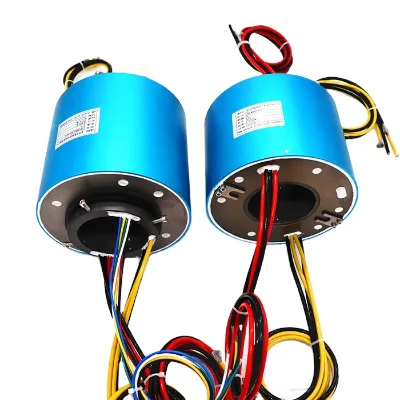
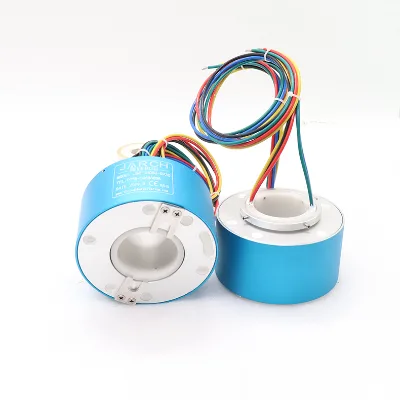
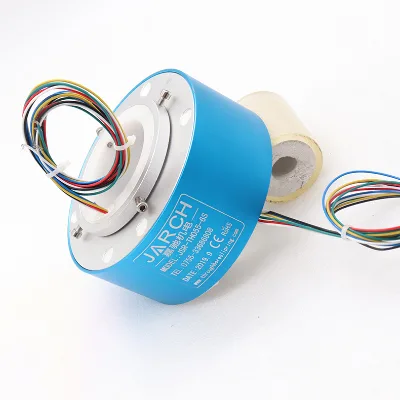


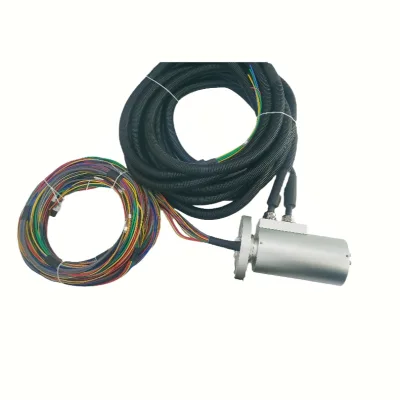
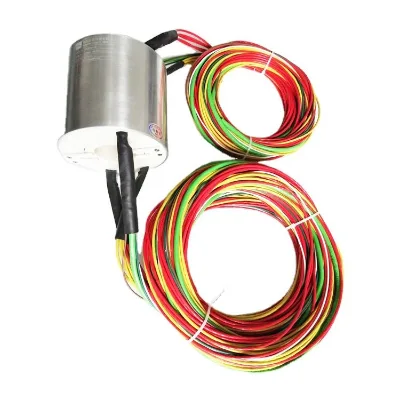
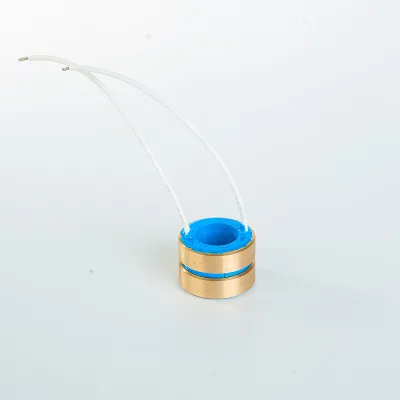
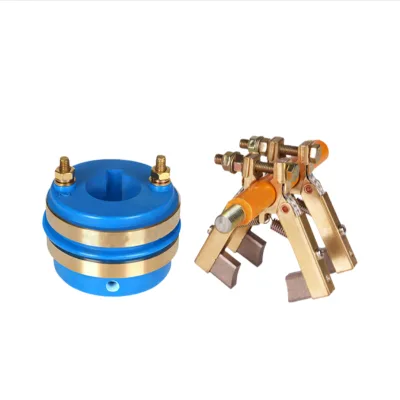


Comprehensive Sourcing Guide
Wind Turbine Rotary Slip Rings Sourcing Guide
Procuring wind turbine rotary slip rings requires a strategic approach that balances electrical continuity with mechanical durability in harsh environments. These components serve as the critical interface for transmitting power, data, and control signals between the stationary nacelle and the rotating rotor. Buyers must prioritize components that maintain signal integrity under continuous rotation, ensuring that the turbine’s operational efficiency is not compromised by intermittent connections or signal degradation. The selection process involves evaluating the specific circuit requirements, current loads, and environmental sealing needs unique to each turbine model.
The market offers a diverse range of slip ring configurations, from compact designs for smaller actuators to heavy-duty units for main power transmission. Sourcing guides emphasize the importance of matching the slip ring’s rated voltage and current to the turbine’s specific subsystems, such as main power, supporting power, or auxiliary controls. Buyers should also consider the physical dimensions and mounting types to ensure compatibility with existing nacelle architectures. Understanding these foundational elements helps procurement teams avoid costly retrofits and ensures seamless integration into the wind energy infrastructure.
Product Scope and Observed Listing Signals
Market listings for wind turbine slip rings reveal a wide spectrum of technical capabilities and physical specifications. Observed data indicates that products often feature precious metal contacts, such as gold-to-gold or gold-to-told interfaces, to ensure low contact resistance and long service life. Housing materials vary between engineered plastics and metals, with protection grades ranging from IP51 to IP68, allowing for deployment in varying degrees of moisture and dust exposure. These signals help buyers quickly filter options based on their specific environmental and electrical constraints.
Listing attributes also highlight significant variations in current ratings, with options spanning from 2A to 750A per ring, and voltage ratings covering both AC and DC systems. Some models are designed for specific applications like robot arms or cranes, while others are explicitly marketed for wind turbine use. Buyers should note that circuit counts can range from a few to over a hundred, and operating temperatures typically span from -40°C to +80°C. These observed signals provide a baseline for understanding the breadth of available solutions and the need for precise specification matching.
Technical Specifications to Verify
Verifying the electrical specifications is paramount to ensuring reliable performance in wind turbine applications. Buyers must confirm the rated voltage and current for each circuit type, distinguishing between main power, supporting power, and auxiliary circuits. For instance, some units support main power at 550VDC with 32A per ring, while others handle lower voltages for control signals. It is crucial to verify the number of circuits and their individual current capacities to prevent overloading and ensure that all necessary signals can be transmitted simultaneously without interference.
Mechanical specifications also require careful scrutiny, including the rated speed, mounting type, and bore size. Units may operate at speeds up to 300rpm and feature through-hole mounting for secure installation. The physical dimensions, such as outer diameter and length, must align with the turbine’s structural constraints. Additionally, buyers should check the operating humidity range, as some components are rated for high-humidity environments above 60%RH. Ensuring these mechanical and electrical parameters match the turbine’s operational profile is essential for long-term reliability and safety.
Compliance and Safety Documentation
Compliance with international standards is a non-negotiable aspect of sourcing wind turbine slip rings. Buyers should verify that suppliers provide relevant certifications, such as CE, RoHS, and ISO9001, which indicate adherence to quality management and environmental regulations. These certifications assure that the manufacturing processes meet rigorous standards for safety and environmental impact. Additionally, documentation such as MSDS may be required for handling and storage, particularly if the components contain specific materials or chemicals that need to be managed according to safety protocols.
Safety documentation also includes detailed technical datasheets that outline the slip ring’s performance limits and testing results. Buyers should request evidence of insulation resistance, dielectric strength, and contact resistance tests to validate the component’s electrical safety. While specific test values may vary by manufacturer, the presence of comprehensive testing reports is a strong indicator of product reliability. Ensuring that all compliance documents are up-to-date and verifiable helps mitigate legal and operational risks associated with deploying critical turbine components.
Cost Drivers and Commercial Terms
The cost of wind turbine slip rings is influenced by several factors, including the number of circuits, current ratings, and protection grades. Higher current capacities and more complex circuit configurations typically command higher prices due to the increased material and manufacturing costs. Buyers should also consider the housing material and protection level, as IP68-rated units with metal housings may be more expensive than plastic-housed, lower-rated alternatives. Understanding these cost drivers allows for more accurate budgeting and cost-benefit analysis during the procurement process.
Commercial terms, such as minimum order quantities (MOQ) and lead times, also impact the total cost of ownership. Observed MOQs can range from single units to larger batches, depending on the supplier’s production capabilities and the buyer’s volume requirements. Lead times may vary based on customization needs and stock availability. Buyers should negotiate clear terms regarding pricing, payment methods, and delivery schedules to avoid unexpected costs. Additionally, considering the single package weight and dimensions can help optimize logistics and shipping expenses, further influencing the overall procurement cost.
Supplier Qualification and Quality Control
Supplier qualification is a critical step in ensuring the reliability of wind turbine slip rings. Buyers should assess the supplier’s manufacturing capabilities, quality control processes, and track record in the renewable energy sector. Suppliers with ISO9001 certification demonstrate a commitment to consistent quality management, which is essential for producing components that meet stringent performance standards. Additionally, buyers should verify the supplier’s ability to provide customization services, as wind turbine applications often require tailored solutions to fit specific mechanical and electrical requirements.
Quality control measures should include rigorous testing protocols for each batch of slip rings. Buyers should request information on the supplier’s testing procedures, including electrical performance tests, environmental stress tests, and mechanical durability assessments. Suppliers that invest in comprehensive quality control are more likely to deliver products that perform reliably over the long term. Establishing a strong relationship with a qualified supplier ensures that any quality issues can be addressed promptly, minimizing downtime and maintenance costs for the wind turbine operations.
Long-Term Procurement Checks
Long-term procurement success depends on establishing robust monitoring and evaluation mechanisms for slip ring performance. Buyers should implement regular inspections and maintenance schedules to detect early signs of wear or degradation. Monitoring contact resistance and insulation resistance over time can provide valuable insights into the component’s health and help predict potential failures before they occur. This proactive approach minimizes unplanned downtime and extends the operational life of the wind turbine.
Additionally, buyers should maintain open communication with suppliers for ongoing support and technical assistance. Regular reviews of supplier performance, including delivery reliability and product quality, help ensure that the procurement strategy remains aligned with operational needs. As technology evolves, staying informed about new developments in slip ring design and materials can provide opportunities for upgrades and improvements. By focusing on long-term relationships and continuous improvement, buyers can optimize the total cost of ownership and enhance the overall efficiency of their wind turbine fleets.
FAQs
What is the rated voltage for JARCH wind turbine slip rings?
The rated voltage varies by circuit type. Main power circuits support 550VDC, while supporting power circuits handle 240VAC. Other auxiliary circuits are rated for 24VDC. This configuration ensures reliable power transmission for diverse wind turbine electrical systems and control requirements.
Which certifications apply to these industrial slip rings?
These slip rings hold CE, RoHS, and ISO9001 certifications. Some models also include MSDS documentation. These credentials verify compliance with international safety and quality standards, ensuring suitability for global wind turbine installations and regulatory requirements in various markets.
Can these slip rings operate in high humidity environments?
Yes, they are designed for operating humidity of 60%RH or higher. The housing provides protection grades ranging from IP51 to IP68 depending on the specific model. This robust sealing ensures reliable performance in challenging outdoor wind turbine conditions.
What is the maximum rated speed for these rotary joints?
The rated speed ranges from 0 to 300rpm. This capability supports both stationary and rotating wind turbine applications. The design accommodates variable operational speeds, ensuring stable electrical contact and data transmission across the full specified rotational range for efficient energy management.
What materials are used for the contacts and housing?
Contacts utilize precious metals, including gold-to-gold or gold-to-told configurations. Housing materials include metals and engineering plastics. These durable components ensure low electrical resistance and long service life, critical for maintaining performance in demanding wind turbine environments.
How many circuits are available for customization?
Customization is available for 2 to 100 circuits. Specific models offer configurations like 3 circuits with 20A or 19 circuits. This flexibility allows engineers to tailor the slip ring to exact wind turbine power and signal transmission needs.